Before You Sign: Telling a Credentialed Immigration Professional From a Costly Impostor
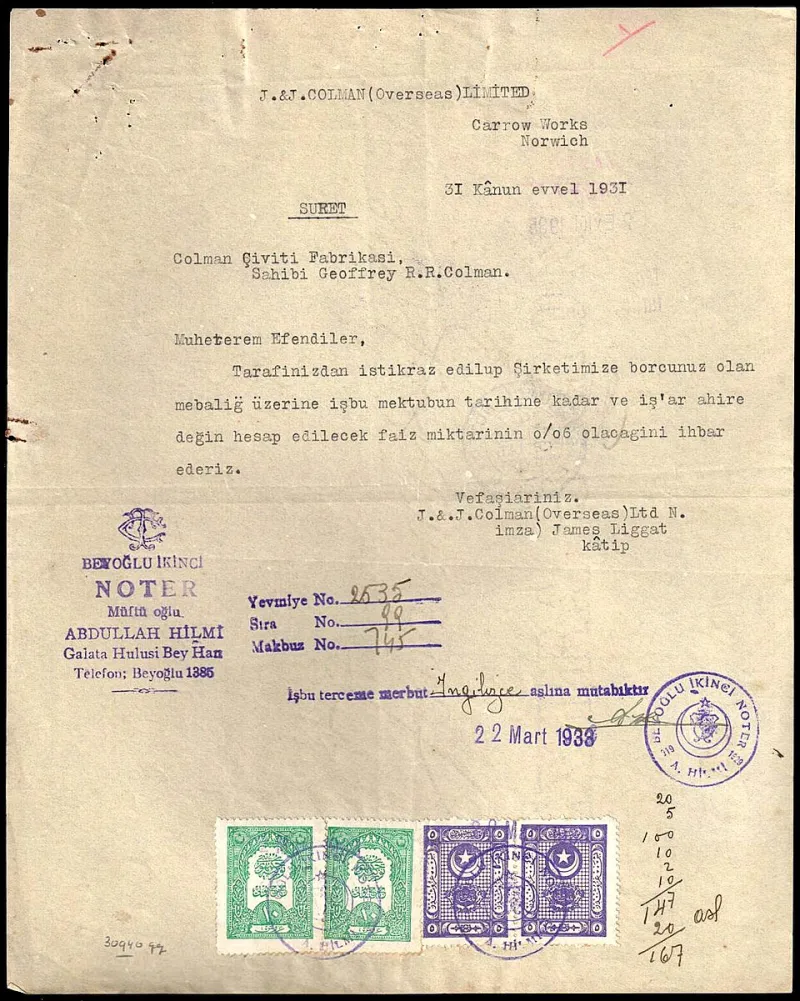
Photo: Government of Turkey, Public domain, via Wikimedia Commons
Every immigration fraud case we hear about follows roughly the same arc. A family needs help with a form. Someone in the neighborhood offers it cheaply and confidently, in the family's own language. Papers change hands, money changes hands, and months later a deadline is missed or a case is denied, and the person who promised to help has stopped answering the phone.
Nothing in this story is exotic. It happens because the immigration system is complicated, because real legal help is expensive, and because a single word means two very different things on two sides of a border.
The word that causes the most damage
In much of Latin America, a notario publico is a highly trained legal professional, often with a law degree and authority to certify and draft documents. In the United States, a notary public is commissioned by a state to witness signatures and administer oaths. That is essentially the whole job. A U.S. notary is not licensed to give legal advice, select answers on a government form, or represent anyone before USCIS or an immigration court.
The confusion is not accidental, and it is not limited to notaries. People advertising as immigration consultants, visa specialists, document preparers, tax and immigration service centers, or paralegals may offer genuine clerical help, but clerical help has a hard legal ceiling. A preparer may type what you tell them. A preparer may not tell you what to say.
Who is actually allowed to represent you
The list of people authorized to practice immigration law is short. It includes attorneys licensed and in good standing with a state bar, law students and graduates working under close supervision in qualified programs, and representatives accredited by the Department of Justice who work for organizations the Department has formally recognized. That last category is small, and every accredited representative appears on a public roster along with an expiration date.
If a person is not on that list and is not a licensed attorney, they cannot appear for you, cannot advise you on which benefit to pursue, and cannot decide what goes on your forms.
Red flags that show up before money changes hands
- A guarantee of approval. No one can promise an outcome. Not a lawyer, not a consultant, not a friend who knows someone at the office.
- Blank forms presented for signature, with instructions to fill in details later.
- Requests to keep your original documents, passports, or birth certificates.
- Cash-only payments with no receipt and no written agreement.
- Pressure to act today, before a fee increase or a deadline that only they know about.
- Advice to skip a court date, ignore a notice, or avoid an interview.
- Claims of inside contacts, special filing channels, or faster processing for an extra fee.
- Offers to obtain a Social Security number, work permit, or green card through a route you have never heard of.
- A business address that is a mailbox, a kitchen table, or no address at all.
One further warning deserves its own line: anyone who encourages you to use a false name, a false date of entry, or a document that is not yours is exposing you to permanent consequences that no fee refund can undo.
How to verify credentials in about ten minutes
Start with the state bar association where the person claims to be licensed. Nearly every bar maintains a free online lookup showing license status, bar number, and disciplinary history. Ask for the bar number in writing and check it against the number the bar has on file.
If the person says they are an accredited representative rather than an attorney, look at the Department of Justice's roster of recognized organizations and accredited representatives, published by the Executive Office for Immigration Review. Confirm both the organization and the individual's name, and note the accreditation expiration date. Accreditation lapses, and someone whose status expired last year is not authorized today.
Finally, ask who will actually prepare the paperwork and who will sign the form as the preparer. Federal forms require disclosure of anyone who assisted in preparing them, and honest providers put their name on that line without hesitation.
A script for the first conversation
Read these questions out loud, or send them in a message, and pay attention to how they are answered. Evasion is itself an answer.
- Are you an attorney licensed to practice in the United States? Which state, and what is your bar number?
- If you are not an attorney, are you a DOJ-accredited representative, and which recognized organization do you work for?
- Can you show me your listing on the EOIR roster, including the expiration date?
- Will you put the services and the total cost in writing before I pay anything?
- Will I receive a receipt for every payment?
- Will you give me copies of everything filed in my case, with the receipt numbers?
- What is your office address, and can I visit in person?
- What happens to my money and my documents if my case is denied?
A licensed professional will answer these without insult. Someone operating outside the rules usually cannot.
If you have already paid
Stop further payments, but do not stop gathering evidence. Collect the contract, receipts, text messages, business cards, and any forms that were filed on your behalf with the person's name on them. Photograph any documents still in the provider's possession and ask for originals back in writing.
Reports can go to your state attorney general's consumer protection division, to the Federal Trade Commission through its online fraud reporting tool, and to the Department of Homeland Security's tip line for immigration benefit fraud. Several states, including California, New York, and Illinois, impose specific disclosure and registration duties on immigration consultants, and a state regulator may be the fastest route to action.
Then deal with the case itself. If a filing was botched, a deadline missed, or a hearing skipped because of bad advice, an attorney may be able to correct the record, refile, or seek reopening. That work is time-sensitive, which is why triage comes before venting.
Where legitimate help is free or cheap
The Department of Justice publishes a list of free and low-cost legal service providers by state and by court. Nonprofit legal aid organizations, law school clinics, and accredited representatives at community organizations handle a large share of immigration cases at little or no cost. Anyone charging several thousand dollars for a form they cannot explain should be measured against those alternatives.
Fraud in this field thrives on isolation, so the most effective protection is a second opinion. Bring a friend to the meeting. Show the contract to someone who has been through the process. Confirm the credential before handing over the passport, not after.