The Calm-Down Binder: Building an Emergency Document Kit for Mixed-Status Households in 2026
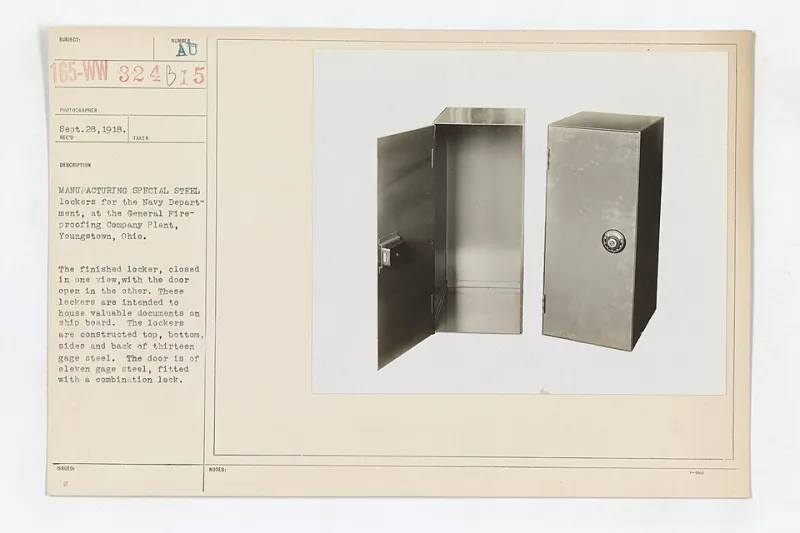
Photo: Unknown authorUnknown author or not provided, Public domain, via Wikimedia Commons
In a mixed-status household, paperwork is not clutter. It is the connective tissue that links a child to a school, a patient to a pharmacy, a worker to a paycheck, and a family member to an immigration case. When a crisis arrives, that connective tissue can be stretched in hours. A parent is detained. A fire forces a move. A hospital asks who may make decisions. A school needs proof of guardianship. The family that has a calm, organized folder is not immune to the crisis, but it is better positioned to respond without losing days to searching for documents.
This guide explains how to build an emergency document kit, often called a go-bag or family binder, for a mixed-status household in 2026. It is not legal advice, and it does not create an attorney-client relationship. Its purpose is narrower and practical: help trusted family members or advocates find accurate information quickly, while protecting privacy and avoiding the trap of do-it-yourself legal advice from the internet.
What the kit is, and what it is not
An emergency document kit is a secure, indexed collection of copies and key originals that a trusted person can use if a family member cannot act for themselves. It is not a hiding place for originals, a substitute for a lawyer, or a way to manufacture legal status. It should not contain fabricated documents, altered notices, or advice copied from social media.
The kit works best when it is built in peacetime, reviewed on a schedule, and shared only on a need-to-know basis. Think of it as a family infrastructure project rather than a panic purchase.
Start with the people and the plan
Before gathering paper, name the people. Who is the trusted family member or friend who could retrieve the kit? Who is the backup? What may each person do with it? For example, one person may be authorized to speak with a school, while another may be named in a health care power of attorney. If no such legal authorization exists, do not draft one from a website. Ask a lawyer or a DOJ-accredited representative whether a document is appropriate for your situation.
Keep the plan short enough to be usable. A one-page cover sheet should list the kit’s location, the trusted contacts, the family’s immigration attorney or accredited representative, and the names of any children or dependents. Do not put account passwords on that cover sheet.
The checklist: what to gather
Use copies by default. Store original passports, birth certificates, immigration documents, and court notices in a separate safe place unless a lawyer or trusted advocate advises otherwise. Label every section and note the date it was last reviewed.
Identity and immigration documents
- Birth certificates and, where applicable, adoption or guardianship records.
- Passports, consular identification cards, and passport photographs.
- Permanent resident cards, employment authorization documents, and naturalization certificates.
- USCIS notices and receipt notices, with A-numbers visible.
- Immigration court hearing notices and other court mail.
- Prior immigration filings, applications, and decision letters.
- A list of pending applications and their receipt numbers.
Medical and caregiving records
- Current medication list, allergies, and pharmacy contacts.
- Health insurance cards and provider contact information.
- Immunization records and recent medical summaries.
- Any existing health care power of attorney, guardianship order, or care plan.
- School health forms and emergency contact forms.
School and children’s records
- Enrollment letters, report cards, and transcripts.
- Individualized Education Program or Section 504 plans, if applicable.
- Custody orders or written authorization for a trusted adult to pick up a child.
- Names and numbers for teachers, counselors, and school registrars.
Financial and housing records
- Lease or mortgage statement, and utility account information.
- Recent pay stubs, bank statements, and tax returns.
- Benefits letters, child support orders, and debt notices.
- A simple list of recurring bills and account numbers, without passwords.
Legal and authorization records
- Names and contact information for the immigration lawyer or DOJ-accredited representative.
- Existing powers of attorney or release-of-information forms.
- Any court orders involving custody, guardianship, or protection.
- A short timeline of important immigration events, kept factual and undated by rumor.
Organizing so someone else can use it
A folder full of paper is not a system. Add a table of contents, divider tabs, and a one-page index that says what is in each section and which documents are originals. Put the most time-sensitive items first: immigration court notices, pending deadlines, medical needs, and caregiver authorizations.
Use plain labels such as immigration, medical, school, housing, and legal. Avoid labels that disclose sensitive information to anyone who sees the outside of the binder. If a document is in a language other than English, note whether a translation exists and where it is stored.
Storage, privacy, and digital hygiene
Store the physical kit in a locked, fire-resistant and water-resistant container if possible. Keep a duplicate set of copies with a trusted person, but do not hand over originals without a clear reason and a written receipt. For digital copies, use a reputable encrypted drive or a password-protected account with multi-factor authentication. Do not email a full packet of identity documents to a personal address or share it through an open cloud link.
Minimize what you collect. A school does not need a tax return. A hospital does not need an immigration court notice. Share only the document that answers the question. If someone requests a document by text or social media, verify the request through an official phone number before sending anything.
Boundaries: when to involve a lawyer or accredited representative
Organizing documents is not the same as giving legal advice. If a family member is in detention, has a court deadline, has a prior removal order, has a criminal history, is considering a marriage-based filing, or is unsure whether a notice is genuine, involve a licensed immigration attorney or a representative accredited by the Department of Justice. Avoid notarios, document preparers who promise legal outcomes, and internet templates that claim to fit every case.
A good rule is simple: if the question begins with what should I file, what should I say, or what happens if I miss this date, it is a legal question. The kit can help a lawyer move faster. It cannot replace one.
Review rhythm and common mistakes
The most common mistakes are hoarding originals in a bag that can be lost, failing to update an address with immigration agencies, and treating a social media post as legal advice. Review the kit every three months and after any move, birth, job change, new filing, or court notice. Replace expired documents and note the review date on the cover sheet.
A calm-down binder will not resolve an immigration case. It can, however, reduce the chance that a family loses critical time, information, or access to care during a difficult week. Build it before you need it, keep it private, and let a qualified professional answer the questions that carry legal consequences.