Two Inboxes, One Move: Keeping Your Case Alive After a Change of Address
Photo: Donald Trung Quoc Don (chữ Hán: 徵國單) - Wikimedia Commons, CC BY-SA 4.0, via Wikimedia Commons
Moving is one of the few events in immigration practice that touches almost every open file at once. A new apartment changes where a receipt notice lands, which courthouse holds your hearing calendar, and whether an agency can reach you before a deadline runs out. For most noncitizens, the law expects two separate notifications to two separate agencies, each with its own form, its own clock, and its own record.
The most common mistake we hear about is the assumption that one filing covers everything. It does not.
Two agencies, two files, two deadlines
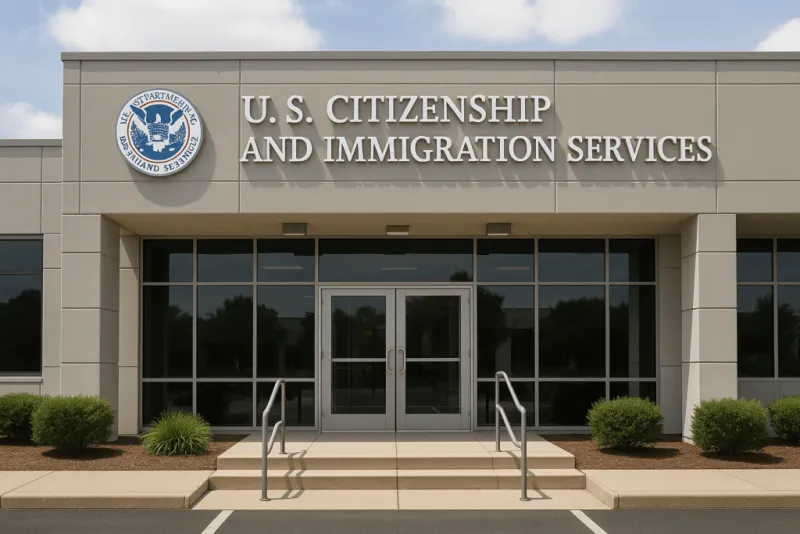
U.S. Citizenship and Immigration Services (USCIS), part of the Department of Homeland Security, adjudicates petitions and applications. The immigration courts, run by the Executive Office for Immigration Review (EOIR) within the Department of Justice, handle removal proceedings and appeals to the Board of Immigration Appeals. They are distinct institutions with distinct mailing systems, and neither one automatically learns that you have moved because the other was told.
The clocks differ as well. USCIS expects most noncitizens to report a change of address within 10 days of the move. The immigration courts operate on a tighter timeline, generally requiring notice within five days of the change. Both windows are measured from the date you actually relocate, not from the day you remember to sit down at a computer.
The USCIS side: Form AR-11
Form AR-11, the change-of-address card, is filed by each noncitizen individually, including children. Filing a family petition or being listed on someone else's application does not remove that obligation. The form can be submitted free of charge through the USCIS online change-of-address tool or by paper, and the online version produces a confirmation number that is worth saving.
Two practical points get overlooked. First, filing an AR-11 does not always update the address attached to a pending application, and USCIS generally asks people with a case in progress to confirm the new address on that filing as well. When in doubt, do both and keep both confirmations. Second, USCIS lists narrow categories of people who are exempt, including certain diplomatic visa holders and a few other groups. Exemptions are technical; anyone relying on one should confirm it with a licensed attorney before skipping the filing.
The court side: a separate notice, a shorter clock
If you have a case before an immigration court, you must notify that court directly using the EOIR change-of-address form for your type of case. Filings go to the court where the case is pending, and if an appeal is before the Board of Immigration Appeals, the Board needs its own notice. Print the A-number on every page.
Many courts now accept address updates through EOIR's online respondent portal, but local procedures vary. Check the specific court's operating instructions, and in most courts plan to serve a copy of the notice on the ICE attorney assigned to your case as well. A notice that reaches the judge but not opposing counsel can still create friction later.
What happens when mail lands in the wrong place
Immigration mail is unforgiving. Hearing notices, requests for evidence, biometrics appointments, and interview notices all go to the address of record. If you are not there to receive them, the case does not pause. Consequences range from a denied application for a missed interview to an in-absentia removal order issued after a hearing you never knew about.
Recovering from that position is possible but difficult. Reopening a case typically requires showing that the notice never reached you or that extraordinary circumstances kept you away, and the burden sits with the person who moved. A forwarding request with the Postal Service helps with ordinary mail, but it is not a substitute for the two filings described here, and government correspondence is not always forwarded.
Building a paper trail you can actually use
For every update, capture three things: what you filed, when you filed it, and proof that it was received. Save the AR-11 confirmation number and a screenshot showing the date. For paper filings, keep the certified mail receipt and the green return card. For court notices, keep the stamped copy or the portal confirmation. Write the dates into a single running log, because a dispute about notice two years from now will be settled by documents, not memory.
If a notice never arrived
Start with the free tools rather than waiting. USCIS case status can be checked online with a receipt number, and the EOIR automated case information service lets respondents confirm hearing dates and addresses. If something looks wrong, call the USCIS Contact Center or the court clerk and follow up in writing. Do not assume the error will correct itself.
A printable checklist for households that move or share housing
- Note the exact date the household relocates.
- File Form AR-11 online for every noncitizen in the home, including children.
- Confirm the new address on any pending USCIS application or petition.
- File the EOIR change-of-address form with the court handling your case, and with the Board if an appeal is pending.
- Serve a copy on the ICE attorney of record where the local rules require it.
- Keep confirmation numbers, screenshots, and mail receipts in one folder, digital and paper.
- Update the address on any pending application for a family member, even one filed years ago.
- List everyone authorized to receive mail at the new address, and note that shared housing can mean shared envelopes.
- Repeat the process at the next move, however soon it comes.
When the stakes justify a lawyer
If you are in removal proceedings, if a hearing has already been missed, or if a deadline falls within the next few weeks, an address correction is not a do-it-yourself task. A licensed attorney or a DOJ-accredited representative can file the updates, check the case docket, and, where necessary, move to reopen a case before the window closes. The filing itself is free. The cost of silence is not.